You know, the whole global trade scene has been turned upside down lately, especially with those rising tariffs between the U.S. and China. Still, I’ve got to hand it to the Chinese manufacturing sector – they’ve really shown some impressive grit despite all these hurdles. Exports are booming, including niche stuff like Truck Mats. In fact, a recent report from Grand View Research预测s that the global Truck Accessories market is set to hit a whopping $19.63 billion by 2025, thanks to folks wanting high-quality, durable truck mats. Even with the tariffs going back and forth, Chinese manufacturers have been quick on their feet, tweaking production methods and ramping up product quality. This has made them key players in the market. So, in this blog, we’re going to dive into how businesses can savvy their way through these tariff complications and find the best truck mats from these resilient manufacturers in China. It’s all about keeping their operations strong and competitive, even when the economy gets tough.
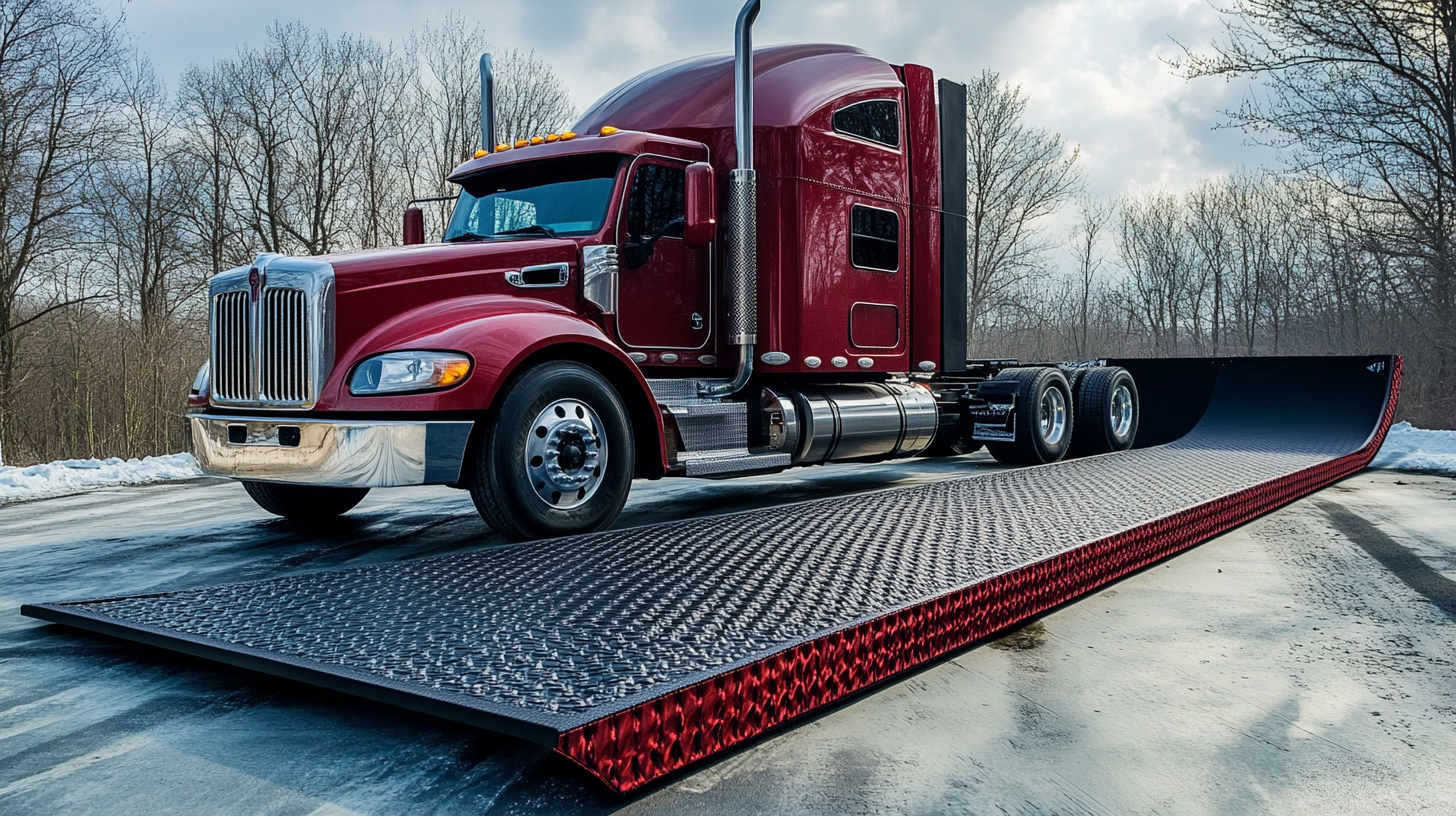
Understanding the Impact of US-China Tariffs on Manufacturing Industries
So, here's the deal with the ongoing trade relationship between the U.S. and China: it's really shaped by tariffs, and that has a big impact on manufacturing industries all around the world. If you're in the game of sourcing truck mats, getting a grip on these tariffs is super important. You see, when tariffs are slapped on imported goods, prices can shoot up. That’s why businesses really need to take a close look at their supply chain strategies and maybe tweak their sourcing practices a bit. China's manufacturing scene is pretty robust, offering tons of high-quality truck mats, but there are definitely some challenges to navigate because those pesky tariff rates can change and affect profit margins, not to mention how competitive you can be in the market.
As manufacturers and importers work to keep up, staying on top of policy shifts and what they mean is key. These tariffs don't just mess with pricing — they shake up the whole market landscape, pushing companies to think outside the box. By weighing the pros and cons of sourcing from China even with the tariffs in play, businesses can make smarter purchasing decisions that keep them competitive while still taking advantage of the great quality coming out of Chinese manufacturing. Flexibility in sourcing strategies is going to be super crucial to lessen the impact of tariffs and help companies stay resilient in this constantly changing market.
Resilient Growth: How Chinese Manufacturing Adapts to Trade Challenges
You know, Chinese manufacturing has really shown some incredible adaptability, especially with all the trade issues and those pesky fluctuating tariffs. It's been a wild ride for global supply chains, but manufacturers in China are stepping up their game, changing things around to be more efficient and keep costs down. Just take a look at the truck mats industry—local producers are really getting creative, pouring money into new materials and clever production techniques to stay competitive. They’re not just hanging on; they’re actually thriving despite all the uncertainty!
And it’s not just them doing all the heavy lifting; the Chinese government is backing manufacturing with some cool policy incentives and tech investments, which has been huge for this growth spurt. Companies are diving headfirst into automation and digitization, making sure they meet international standards and keep up with what consumers want. As tariffs keep shifting, these manufacturers are pretty savvy—they’re forging strategic partnerships and mixing up their sourcing options so their products stay appealing and within reach in the global market. Their knack for navigating these ups and downs really places Chinese manufacturers as key players in the truck mats scene, offering tough, high-performance solutions that buyers all over the world are looking for.
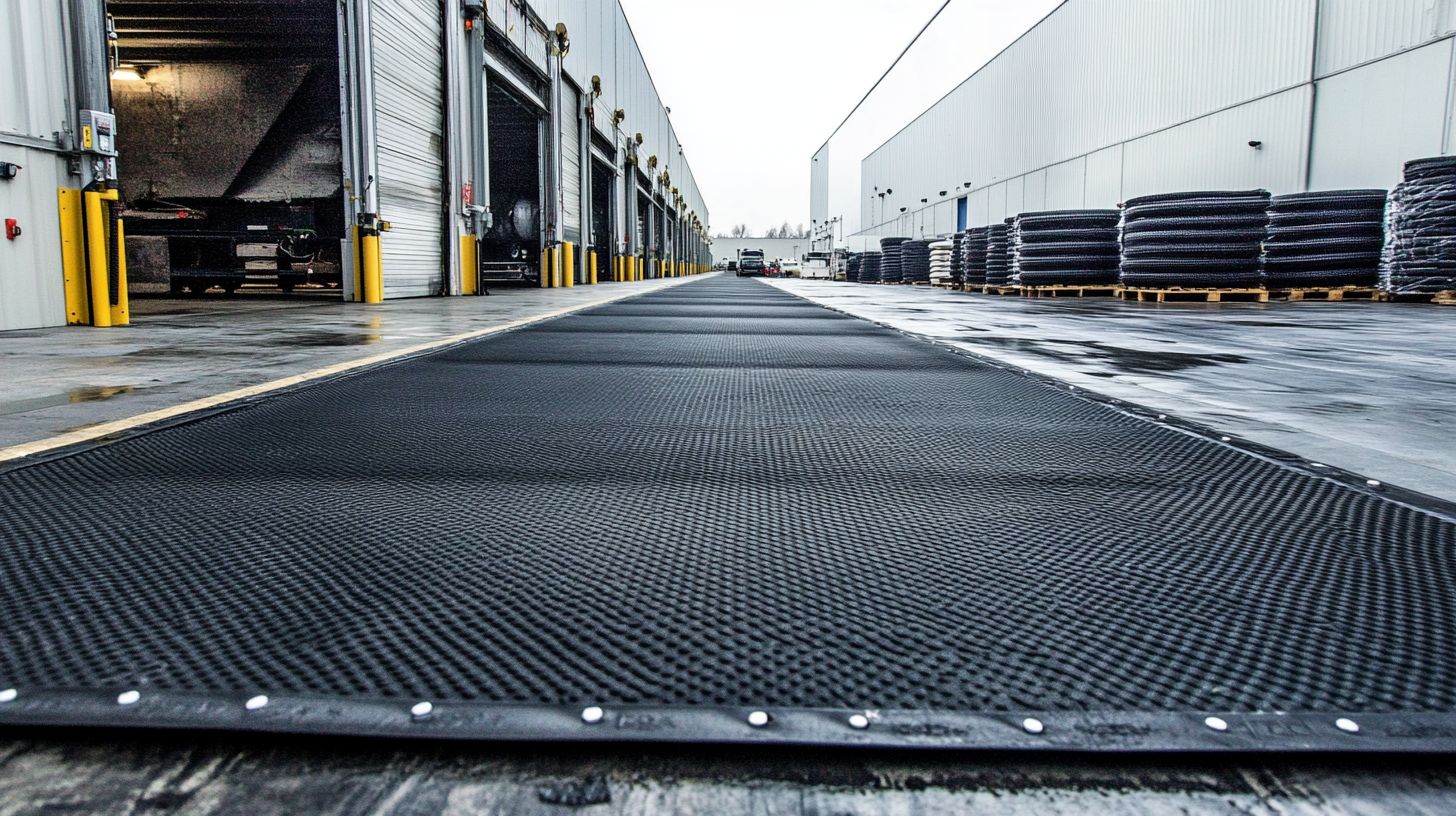
Key Strategies for Sourcing High-Quality Truck Mats Amid Tariff Pressures
You know, when it comes to the world of global trade, sourcing quality truck mats from China can really feel like a double-edged sword. On one hand, there are some great opportunities, but on the other, you've got those pesky tariff increases to deal with. If companies want to survive and thrive amidst these challenges, they really need to get strategic about it. It’s all about figuring out how to keep costs down without sacrificing the quality of the products. One smart move is to build solid relationships with a bunch of different manufacturers. This way, you’ve got a little more bargaining power, which can make a big difference when it comes to negotiating prices and offsetting those tariff hits with some competitive rates.
Then there’s another important piece of the puzzle: doing your homework by diving into thorough market research. It's crucial to find manufacturers that give you the most bang for your buck, without skimping on quality, of course. By regularly checking in with audits and quality assessments, you can dodge the headaches that come from dissatisfied customers or returns. Plus, looking beyond China for alternative sourcing options can help avoid disruptions while still taking advantage of the strong manufacturing capabilities that China offers.
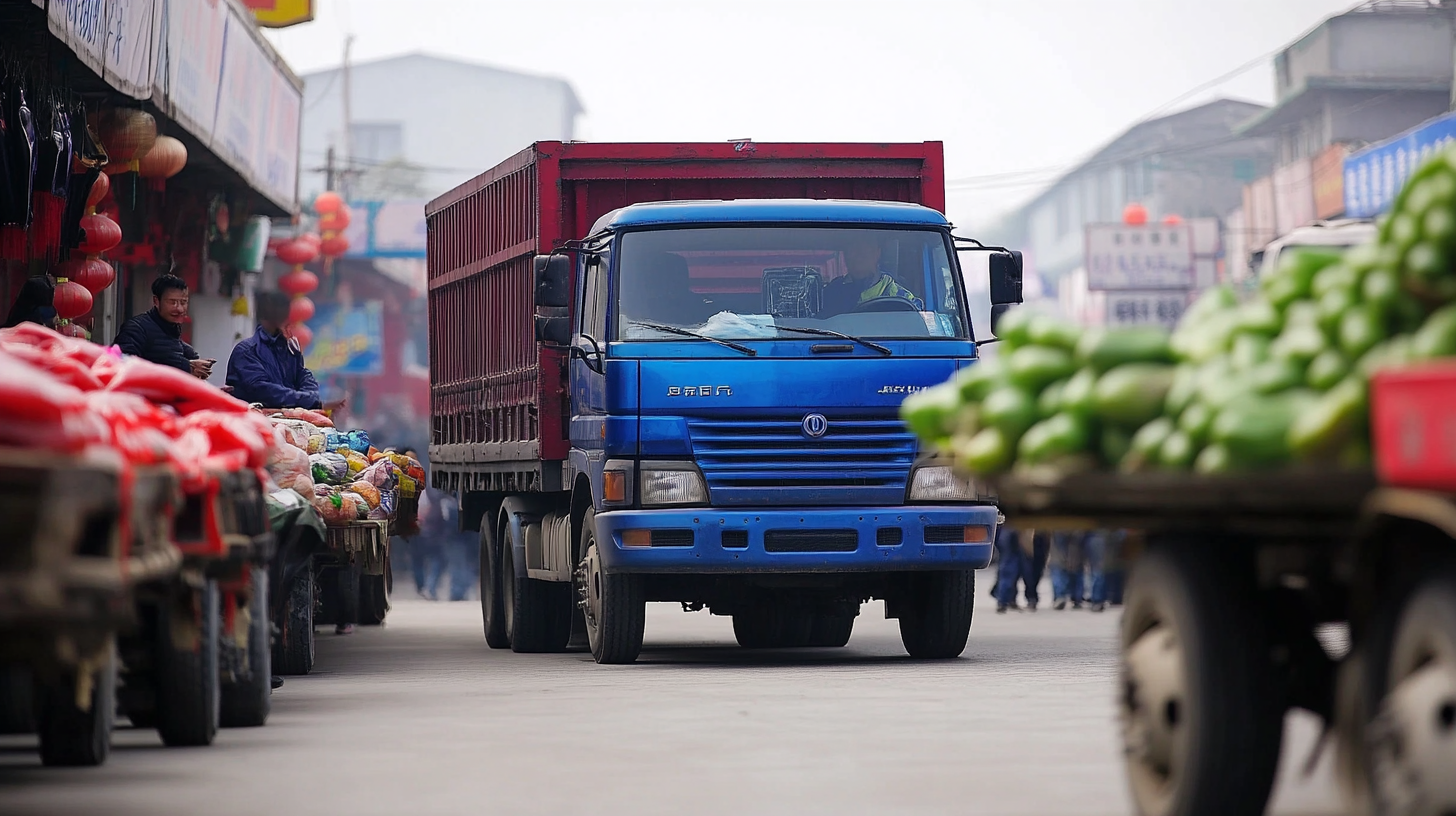
Evaluating the Pros and Cons of Sourcing from Chinese Manufacturers
So, when you're thinking about getting truck mats from manufacturers in China, it’s really important to weigh the good and the bad. On the bright side, Chinese manufacturing is great for competitive prices and has some serious production power. Companies like DEYANG HONGKAI AUTO TRADING CO., LTD. can offer quality products without breaking the bank. Plus, China’s manufacturing scene is growing super fast, which means businesses can tap into some pretty cool materials and trendy designs that fit the latest market demands.
But, you know, it’s not all sunshine and rainbows. There are definitely some potential hiccups with sourcing from China. You’ve got to think about the quality of the products and the tricky world of tariffs and trade rules—trust me, it can get complicated. So, businesses really need to do their homework to make sure their suppliers are up to snuff and can deliver on their promises.
As DEYANG HONGKAI keeps pushing into foreign trade, really understanding these factors is key to building successful partnerships and growing sustainably in the tough truck mat market. By juggling the benefits with the challenges, companies can make smart choices that match their long-term goals.
Future Trends: The Evolution of Global Supply Chains in Tariff Context
You know, the global supply chain scene is really changing fast these days, especially with all the recent tariff adjustments and the strong growth of manufacturing in China. A new report from McKinsey says that half of all companies are taking a hard look at their sourcing strategies because of these tariff changes. It’s interesting—businesses are now searching for new sourcing regions, but many of them still can’t overlook China’s manufacturing power, which just keeps growing and getting smarter thanks to innovative practices and better efficiency.
As companies try to deal with these tariffs, the push for tech integration in supply chains is really picking up speed. According to a study by Deloitte, a whopping 73% of supply chain leaders are all about digital transformation these days to boost visibility and flexibility. With the rise of data analytics and AI-driven decisions, businesses are getting better at predicting demand, which helps them sidestep some of the risks that come with tariff changes. And as Chinese manufacturers adapt and innovate to tackle these challenges, they’re not just seen as cheap options anymore—they’re becoming reliable players in the global supply chain game.
Best Practices for Importing Truck Mats while Minimizing Costs and Risks
Getting the hang of importing truck mats from China can feel like navigating a maze, especially with all the advancements in manufacturing these days. Here at DEYANG HONGKAI AUTO TRADING CO., LTD., we totally get how tough it can be to strike that balance between keeping costs low and ensuring top-notch quality. As we dive deeper into the world of foreign trade, it's super important to adopt the best practices out there to cut down on risks and really boost our returns.
**Tip 1:** Do some solid market research to find reputable suppliers. Make sure to dig into their manufacturing processes and standards to check that the truck mats will meet your needs. Working with suppliers who have a solid track record can seriously help you avoid any quality bumps along the way.
**Tip 2:** Get a good grasp of the tariff structures when you’re importing from China. Team up with logistics pros who know the ropes of import regulations—this can save you from unexpected headaches and costs, which ultimately makes everything more profitable and smooth.
By using the insights we’ve gained from the domestic truck trading scene and branching out into foreign markets, we want to do more than just sell products. We’re here to offer valuable advice to our partners who are looking for smart and cost-effective ways to source truck mats.
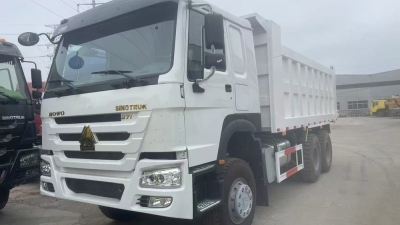
Maximize Your Work Efficiency with the Sinotruk HOWO 371HP 6X4 Used Dump Truck: A Cost-Effective Solution for Heavy-Duty Tasks
Maximizing work efficiency is crucial in the heavy-duty transport sector, and the Sinotruk HOWO 371HP 6X4 Used Dump Truck stands out as a cost-effective solution tailored for demanding tasks. This powerful vehicle offers robust capabilities with a strong engine delivering 371 horsepower, ensuring that it can handle substantial loads effortlessly. With a large carrying capacity and a design that takes advantage of an optimal wheelbase, the HOWO dump truck is well-suited for various transporting needs, from construction materials to waste disposal.
The spacious cab design adds a significant advantage for drivers, promoting comfort during long hauls. Industry reports indicate that driver fatigue is a common issue impacting productivity, but the HOWO's ergonomically designed cab helps alleviate this problem. Features such as a flat floor layout, along with humanized configurations like multi-function steering wheels, automatic air conditioning, and shock-absorbing seats, are specifically crafted to enhance the overall driving experience. These elements not only contribute to comfort but also allow drivers to maintain focus and performance throughout their shifts.
Moreover, this truck's versatility extends to its cargo box size, accommodating various operational requirements. The adaptability of the HOWO dump truck for different working conditions makes it an essential choice for companies looking to optimize their fleet's efficiency while keeping costs manageable. As the logistics and construction industries continue to evolve, investing in reliable and efficient vehicles like the Sinotruk HOWO 371HP can lead to significant improvements in productivity and operational success.
FAQS
: US-China tariffs lead to increased costs for companies, prompting them to evaluate their supply chain strategies and adjust sourcing practices to maintain competitive pricing and profit margins.
Understanding tariffs is crucial as they can significantly affect import costs, influencing companies' pricing strategies and overall market competitiveness.
Chinese manufacturing offers competitive pricing, robust production capacity, and access to advanced materials and innovative designs, which can meet evolving market needs.
Challenges include concerns about product quality consistency and navigating the complexities of tariffs and trade regulations.
Many companies are reevaluating their sourcing strategies, exploring new regions, and leveraging China's manufacturing capabilities while embracing flexibility and innovation.
Technology integration is becoming a priority, with a focus on digital transformation, data analytics, and AI-driven decision-making to enhance visibility, agility, and demand forecasting.
They are enhancing their competitiveness through innovation, improved efficiency, and adapting to the evolving needs of the global supply chain ecosystem.
It’s essential to conduct thorough evaluations to ensure suppliers meet necessary quality standards and can deliver reliable products for sustainable growth.
50% of companies are reevaluating their sourcing strategies due to tariff fluctuations, leading to shifts in supply chain dynamics and exploration of new sourcing regions.
Tariffs are likely to change supplier relationships, cost structures, and the overall competitive landscape, pushing companies to innovate and adapt continuously.